Skip to content
Verbier Alpine Village Walk: High Above the Rhone
Walking Tour

Verbier Alpine Village Walk: High Above the Rhone

Updated March 3, 2026
Cover: Verbier Alpine Village Walk: High Above the Rhone

Verbier Alpine Village Walk: High Above the Rhone

Walking Tour Tour

0:00 0:00

Introduction

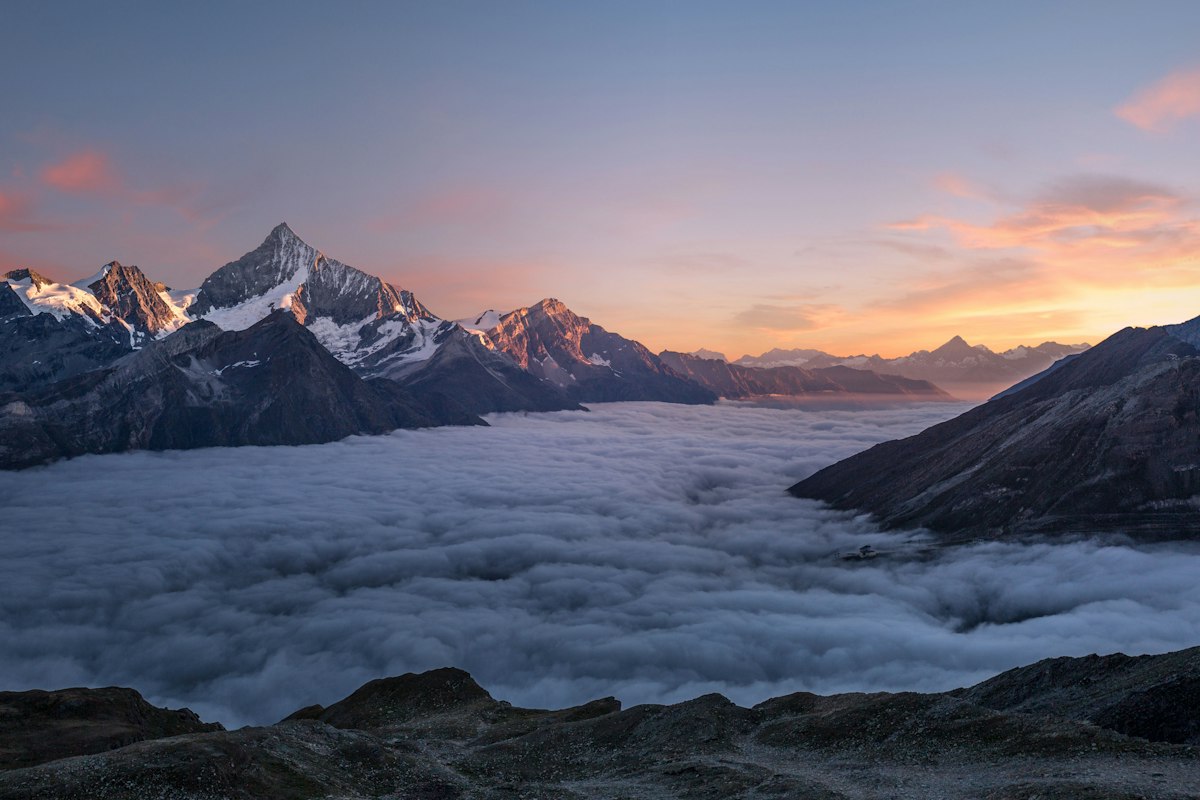
Welcome to Verbier, one of the most celebrated mountain resorts in the Alps and a village that has undergone a remarkable transformation from a quiet farming community to an international playground while somehow retaining the essence of its Alpine character. Perched on a sun-drenched terrace at 1,500 metres above sea level, Verbier faces a panorama of peaks that includes the Grand Combin (4,314m), the Mont Blanc de Cheilon (3,870m), and on clear days, the distant tip of Mont Blanc itself.

This walk explores the village beyond the ski lifts and luxury chalets, discovering the traditional Valais architecture that survives amid the modern development, the Alpine meadows that surround the village, and the geological and agricultural history that shaped this landscape long before the first tourist arrived. Verbier may be famous for its skiing and its nightlife, but beneath the contemporary gloss lies a mountain community with deep roots in the pastoral traditions of the Valais.

Stop 1: Place Centrale — 46.0963, 7.2285

The Place Centrale is the hub of Verbier, a pedestrianised square surrounded by shops, restaurants, and the tourist office. In winter, this square buzzes with skiers heading for the lifts or gathering at terrace bars. In summer, it takes on a more relaxed character, with families, hikers, and mountain bikers replacing the ski crowd.

Verbier sits on a broad, south-facing terrace above the Val de Bagnes, a long valley that extends from the Rhone at Martigny deep into the Pennine Alps. The terrace was formed by glacial deposits, a platform of moraine material left behind when the ice retreated at the end of the last Ice Age. This natural balcony, sheltered from north winds and bathed in sunshine, has been occupied by farming communities for centuries.

The name Verbier may derive from a Latin root meaning green place or pasture, which accurately describes the emerald Alpine meadows that surround the village. Before the development of skiing tourism in the 1950s, Verbier was a classic Valais mountain settlement: a cluster of wooden chalets and barns surrounded by hay meadows and cattle pastures, its economy based on dairy farming and the seasonal migration of herds to high Alpine pastures.

Stop 2: Traditional Chalet Quarter — 46.0955, 7.2270

Walk south from the Place Centrale into the older part of the village, where traditional Valais chalets stand amid the modern development. These wooden buildings, many dating from the eighteenth and nineteenth centuries, are built in the distinctive Valais style: dark, weathered timber walls on a foundation of grey stone, with wide overhanging eaves to shed snow and small windows to conserve heat.

The construction technique is remarkable. The walls are made of squared logs, notched at the corners and stacked horizontally without nails or other fasteners. The weight of the roof and the friction between the logs holds the structure together. Many chalets are raised on short stone pillars capped with flat stones called mushroom stones, which prevent rodents from climbing into the grain stores above.

Look at the oldest chalets carefully. The timber has turned nearly black from centuries of exposure to sun, wind, and weather, and the wood has hardened to a density that rivals stone. These buildings were constructed to last, and many of the oldest examples in the Valais have stood for three or four centuries with minimal maintenance.

The traditional chalet was a multi-purpose building. The ground floor, built of stone, housed the cattle during winter. The upper floor, built of timber, contained the family's living quarters. Above that, the attic served as a hay store and grain loft. The warmth of the cattle below helped heat the living quarters above, and the hay in the attic provided insulation against the winter cold.

Stop 3: Chapel of Les Verneys — 46.0948, 7.2258

A short walk from the chalet quarter brings you to the Chapel of Les Verneys, one of several small chapels that dot the landscape around Verbier. These chapels, many dating from the seventeenth and eighteenth centuries, served the scattered farming hamlets that make up the commune and are characteristic of the Valais mountain landscape.

The chapel is a simple stone structure with a small bell tower and a plain interior. The altar may have a carved wooden figure of a saint, and the walls are often whitewashed, creating a bright, clean space that contrasts with the dark timber of the surrounding chalets. These chapels were places of prayer, community gathering, and spiritual protection in a landscape where natural hazards — avalanches, rockfalls, floods, and lightning storms — were constant threats.

The tradition of processional prayer, where the community walked from chapel to chapel through the fields and pastures, asking for divine protection of crops and livestock, persisted in the Valais long after it had died out in lowland Switzerland. These processions connected the community to its landscape in a way that was both spiritual and practical, affirming the boundaries of the communal territory and reinforcing the social bonds that held the community together.

Stop 4: Alpine Meadow Trail — 46.0968, 7.2240

Leave the built-up area and walk west along the path that leads through the Alpine meadows toward Savoleyres. In summer, these meadows are a riot of wildflowers: gentians, bellflowers, orchids, edelweiss, and dozens of other species create a tapestry of colour that changes from week to week as different species come into bloom.

The meadows are not wilderness but the product of centuries of human management. These are hay meadows, traditionally mown once or twice a year by hand with scythes, and the regular cutting prevents trees and shrubs from encroaching and maintains the open, flower-rich habitat. The decline of traditional hay farming in recent decades has led to a loss of meadow biodiversity in many Alpine regions, and conservation efforts now seek to maintain these habitats through targeted management.

The altitude here, between 1,500 and 1,800 metres, places you in the montane to subalpine vegetation zone. The treeline in this part of the Valais is around 2,200 metres, and above the meadows you can see the transition to larch and stone pine forest before the trees give way to Alpine scrub and bare rock.

Stop 5: Grand Combin Viewpoint — 46.0975, 7.2225

Pause at the viewpoint where the path opens up to reveal the full sweep of the Grand Combin massif. At 4,314 metres, the Grand Combin is one of the great peaks of the Pennine Alps, a massive mountain of rock, ice, and snow that dominates the skyline south of Verbier.

The Grand Combin is actually a complex of three main summits connected by high ridges of snow and ice. The hanging glaciers that cling to its north face are among the most impressive in the Alps, and their slow, grinding movement over the rock below is one of the primary forces shaping the landscape around you.

The geological story of this landscape is written in the peaks themselves. The Pennine Alps are composed of crystalline basement rocks, ancient granites and gneisses that formed deep in the Earth's crust and were pushed to the surface by the collision between the African and European tectonic plates. This collision, which began roughly 65 million years ago and continues today, is responsible for the entire Alpine chain, and the peaks around Verbier are among the most dramatic expressions of this ongoing geological process.

Stop 6: Mayens de Verbier — 46.0985, 7.2218

The path passes through the Mayens, the intermediate-altitude pastures that play a crucial role in the traditional Valais farming system. The word mayen comes from the French mai (May), referring to the month when cattle were traditionally driven up from the valley floor to these mid-altitude pastures.

The transhumance system, the seasonal movement of livestock between different altitudes, was the foundation of Valais mountain agriculture for centuries. In spring, the cattle were led from the stable villages in the valley to the mayens at around 1,500 to 1,800 metres, where they grazed the fresh spring grass. In summer, they moved higher still to the alpages, the high Alpine pastures above 2,000 metres. In autumn, they descended again, and in winter they were stabled in the valley.

This system maximised the use of available forage, allowing farmers to feed their herds year-round without relying on purchased feed. Each altitude zone provided a different type of grazing: the valley meadows were mown for hay, the mayens provided spring and autumn pasture, and the alpages offered rich summer grazing on grass that had been fertilised by snowmelt.

The small wooden chalets and barns scattered across the mayens were occupied only during the spring and autumn grazing periods. Many have now been converted into holiday homes, but their original function is still visible in their design: simple, functional structures with low roofs and thick walls, built to shelter people and animals during the unpredictable weather of the Alpine spring and autumn.

Stop 7: Savoleyres Path Junction — 46.1005, 7.2210

At the path junction near the Savoleyres lift station, several hiking routes diverge into the mountains above Verbier. This is the gateway to some of the finest walking in the Valais, with trails leading to the Cabane du Mont Fort, the Col de la Chaux, and the network of high routes that connect the Val de Bagnes with the neighbouring valleys.

The Savoleyres area is particularly prized for its panoramic views. The entire Rhone Valley is visible from the ridges above, and the contrast between the deep, flat-bottomed valley and the soaring peaks on either side is one of the most dramatic landscapes in the Alps. On clear days, the view extends from the Dents du Midi above Monthey to the peaks of the Bernese Oberland in the far northeast.

The transformation of Verbier from farming village to international resort began in the 1930s, when the first skiers discovered the outstanding snow conditions and the extensive terrain above the village. The first ski lift was installed in 1947, and development accelerated through the 1950s and 1960s. Today, the Verbier ski area is one of the largest in Switzerland, with over 400 kilometres of marked runs and some of the most challenging off-piste terrain in the Alps.

Stop 8: Return via Chalet Route — 46.0980, 7.2245

Walk back toward the village centre via the upper chalet route, which passes through the residential area where traditional chalets and modern luxury homes stand side by side. The contrast is instructive: the old chalets, built of dark wood with low ceilings and small windows, speak of a harsh climate and a modest way of life. The new chalets, with their floor-to-ceiling glass, underfloor heating, and spa facilities, speak of a very different relationship with the mountain environment.

Yet both types of building share a fundamental orientation toward the landscape. The old chalets face south to maximise sunlight. The new chalets face south to maximise the view. In both cases, the mountain environment is not merely a backdrop but the primary focus of the building's design. This relationship between architecture and landscape is one of the defining characteristics of Swiss mountain building, and Verbier, for all its modernity, remains firmly in this tradition.

Conclusion

Verbier is a village of contrasts: ancient and modern, pastoral and cosmopolitan, Swiss and international. But beneath the surface, the rhythms of the mountain landscape persist. The seasons still turn, the snow still falls, the meadows still bloom, and the Grand Combin still rises above it all, indifferent to the human activity on the terrace below. This walk has traced both the village's transformation and its continuity, and both are essential to understanding what makes Verbier unique.

Practical Information

  • Best Time: June to September for wildflower meadows and clear views. July is peak flower season. The walk is best on a clear morning.
  • Wear: Hiking boots for the meadow trails, which can be muddy. Layers, as mountain weather changes quickly.
  • Bring: Water, sunscreen, and a hat. Binoculars for identifying the peaks. A wildflower guide for the meadow section.
  • Nearby Food: The Place Centrale has restaurants for all budgets. For a traditional Valais experience, try the raclette and local wine at one of the village's older restaurants.
  • Getting There: Postbus from Le Chable (15 min). Le Chable is reached by train from Martigny (30 min).

Transcript

Introduction

Welcome to Verbier, one of the most celebrated mountain resorts in the Alps and a village that has undergone a remarkable transformation from a quiet farming community to an international playground while somehow retaining the essence of its Alpine character. Perched on a sun-drenched terrace at 1,500 metres above sea level, Verbier faces a panorama of peaks that includes the Grand Combin (4,314m), the Mont Blanc de Cheilon (3,870m), and on clear days, the distant tip of Mont Blanc itself.

This walk explores the village beyond the ski lifts and luxury chalets, discovering the traditional Valais architecture that survives amid the modern development, the Alpine meadows that surround the village, and the geological and agricultural history that shaped this landscape long before the first tourist arrived. Verbier may be famous for its skiing and its nightlife, but beneath the contemporary gloss lies a mountain community with deep roots in the pastoral traditions of the Valais.

Stop 1: Place Centrale — 46.0963, 7.2285

The Place Centrale is the hub of Verbier, a pedestrianised square surrounded by shops, restaurants, and the tourist office. In winter, this square buzzes with skiers heading for the lifts or gathering at terrace bars. In summer, it takes on a more relaxed character, with families, hikers, and mountain bikers replacing the ski crowd.

Verbier sits on a broad, south-facing terrace above the Val de Bagnes, a long valley that extends from the Rhone at Martigny deep into the Pennine Alps. The terrace was formed by glacial deposits, a platform of moraine material left behind when the ice retreated at the end of the last Ice Age. This natural balcony, sheltered from north winds and bathed in sunshine, has been occupied by farming communities for centuries.

The name Verbier may derive from a Latin root meaning green place or pasture, which accurately describes the emerald Alpine meadows that surround the village. Before the development of skiing tourism in the 1950s, Verbier was a classic Valais mountain settlement: a cluster of wooden chalets and barns surrounded by hay meadows and cattle pastures, its economy based on dairy farming and the seasonal migration of herds to high Alpine pastures.

Stop 2: Traditional Chalet Quarter — 46.0955, 7.2270

Walk south from the Place Centrale into the older part of the village, where traditional Valais chalets stand amid the modern development. These wooden buildings, many dating from the eighteenth and nineteenth centuries, are built in the distinctive Valais style: dark, weathered timber walls on a foundation of grey stone, with wide overhanging eaves to shed snow and small windows to conserve heat.

The construction technique is remarkable. The walls are made of squared logs, notched at the corners and stacked horizontally without nails or other fasteners. The weight of the roof and the friction between the logs holds the structure together. Many chalets are raised on short stone pillars capped with flat stones called mushroom stones, which prevent rodents from climbing into the grain stores above.

Look at the oldest chalets carefully. The timber has turned nearly black from centuries of exposure to sun, wind, and weather, and the wood has hardened to a density that rivals stone. These buildings were constructed to last, and many of the oldest examples in the Valais have stood for three or four centuries with minimal maintenance.

The traditional chalet was a multi-purpose building. The ground floor, built of stone, housed the cattle during winter. The upper floor, built of timber, contained the family's living quarters. Above that, the attic served as a hay store and grain loft. The warmth of the cattle below helped heat the living quarters above, and the hay in the attic provided insulation against the winter cold.

Stop 3: Chapel of Les Verneys — 46.0948, 7.2258

A short walk from the chalet quarter brings you to the Chapel of Les Verneys, one of several small chapels that dot the landscape around Verbier. These chapels, many dating from the seventeenth and eighteenth centuries, served the scattered farming hamlets that make up the commune and are characteristic of the Valais mountain landscape.

The chapel is a simple stone structure with a small bell tower and a plain interior. The altar may have a carved wooden figure of a saint, and the walls are often whitewashed, creating a bright, clean space that contrasts with the dark timber of the surrounding chalets. These chapels were places of prayer, community gathering, and spiritual protection in a landscape where natural hazards — avalanches, rockfalls, floods, and lightning storms — were constant threats.

The tradition of processional prayer, where the community walked from chapel to chapel through the fields and pastures, asking for divine protection of crops and livestock, persisted in the Valais long after it had died out in lowland Switzerland. These processions connected the community to its landscape in a way that was both spiritual and practical, affirming the boundaries of the communal territory and reinforcing the social bonds that held the community together.

Stop 4: Alpine Meadow Trail — 46.0968, 7.2240

Leave the built-up area and walk west along the path that leads through the Alpine meadows toward Savoleyres. In summer, these meadows are a riot of wildflowers: gentians, bellflowers, orchids, edelweiss, and dozens of other species create a tapestry of colour that changes from week to week as different species come into bloom.

The meadows are not wilderness but the product of centuries of human management. These are hay meadows, traditionally mown once or twice a year by hand with scythes, and the regular cutting prevents trees and shrubs from encroaching and maintains the open, flower-rich habitat. The decline of traditional hay farming in recent decades has led to a loss of meadow biodiversity in many Alpine regions, and conservation efforts now seek to maintain these habitats through targeted management.

The altitude here, between 1,500 and 1,800 metres, places you in the montane to subalpine vegetation zone. The treeline in this part of the Valais is around 2,200 metres, and above the meadows you can see the transition to larch and stone pine forest before the trees give way to Alpine scrub and bare rock.

Stop 5: Grand Combin Viewpoint — 46.0975, 7.2225

Pause at the viewpoint where the path opens up to reveal the full sweep of the Grand Combin massif. At 4,314 metres, the Grand Combin is one of the great peaks of the Pennine Alps, a massive mountain of rock, ice, and snow that dominates the skyline south of Verbier.

The Grand Combin is actually a complex of three main summits connected by high ridges of snow and ice. The hanging glaciers that cling to its north face are among the most impressive in the Alps, and their slow, grinding movement over the rock below is one of the primary forces shaping the landscape around you.

The geological story of this landscape is written in the peaks themselves. The Pennine Alps are composed of crystalline basement rocks, ancient granites and gneisses that formed deep in the Earth's crust and were pushed to the surface by the collision between the African and European tectonic plates. This collision, which began roughly 65 million years ago and continues today, is responsible for the entire Alpine chain, and the peaks around Verbier are among the most dramatic expressions of this ongoing geological process.

Stop 6: Mayens de Verbier — 46.0985, 7.2218

The path passes through the Mayens, the intermediate-altitude pastures that play a crucial role in the traditional Valais farming system. The word mayen comes from the French mai (May), referring to the month when cattle were traditionally driven up from the valley floor to these mid-altitude pastures.

The transhumance system, the seasonal movement of livestock between different altitudes, was the foundation of Valais mountain agriculture for centuries. In spring, the cattle were led from the stable villages in the valley to the mayens at around 1,500 to 1,800 metres, where they grazed the fresh spring grass. In summer, they moved higher still to the alpages, the high Alpine pastures above 2,000 metres. In autumn, they descended again, and in winter they were stabled in the valley.

This system maximised the use of available forage, allowing farmers to feed their herds year-round without relying on purchased feed. Each altitude zone provided a different type of grazing: the valley meadows were mown for hay, the mayens provided spring and autumn pasture, and the alpages offered rich summer grazing on grass that had been fertilised by snowmelt.

The small wooden chalets and barns scattered across the mayens were occupied only during the spring and autumn grazing periods. Many have now been converted into holiday homes, but their original function is still visible in their design: simple, functional structures with low roofs and thick walls, built to shelter people and animals during the unpredictable weather of the Alpine spring and autumn.

Stop 7: Savoleyres Path Junction — 46.1005, 7.2210

At the path junction near the Savoleyres lift station, several hiking routes diverge into the mountains above Verbier. This is the gateway to some of the finest walking in the Valais, with trails leading to the Cabane du Mont Fort, the Col de la Chaux, and the network of high routes that connect the Val de Bagnes with the neighbouring valleys.

The Savoleyres area is particularly prized for its panoramic views. The entire Rhone Valley is visible from the ridges above, and the contrast between the deep, flat-bottomed valley and the soaring peaks on either side is one of the most dramatic landscapes in the Alps. On clear days, the view extends from the Dents du Midi above Monthey to the peaks of the Bernese Oberland in the far northeast.

The transformation of Verbier from farming village to international resort began in the 1930s, when the first skiers discovered the outstanding snow conditions and the extensive terrain above the village. The first ski lift was installed in 1947, and development accelerated through the 1950s and 1960s. Today, the Verbier ski area is one of the largest in Switzerland, with over 400 kilometres of marked runs and some of the most challenging off-piste terrain in the Alps.

Stop 8: Return via Chalet Route — 46.0980, 7.2245

Walk back toward the village centre via the upper chalet route, which passes through the residential area where traditional chalets and modern luxury homes stand side by side. The contrast is instructive: the old chalets, built of dark wood with low ceilings and small windows, speak of a harsh climate and a modest way of life. The new chalets, with their floor-to-ceiling glass, underfloor heating, and spa facilities, speak of a very different relationship with the mountain environment.

Yet both types of building share a fundamental orientation toward the landscape. The old chalets face south to maximise sunlight. The new chalets face south to maximise the view. In both cases, the mountain environment is not merely a backdrop but the primary focus of the building's design. This relationship between architecture and landscape is one of the defining characteristics of Swiss mountain building, and Verbier, for all its modernity, remains firmly in this tradition.

Conclusion

Verbier is a village of contrasts: ancient and modern, pastoral and cosmopolitan, Swiss and international. But beneath the surface, the rhythms of the mountain landscape persist. The seasons still turn, the snow still falls, the meadows still bloom, and the Grand Combin still rises above it all, indifferent to the human activity on the terrace below. This walk has traced both the village's transformation and its continuity, and both are essential to understanding what makes Verbier unique.

Practical Information

  • Best Time: June to September for wildflower meadows and clear views. July is peak flower season. The walk is best on a clear morning.
  • Wear: Hiking boots for the meadow trails, which can be muddy. Layers, as mountain weather changes quickly.
  • Bring: Water, sunscreen, and a hat. Binoculars for identifying the peaks. A wildflower guide for the meadow section.
  • Nearby Food: The Place Centrale has restaurants for all budgets. For a traditional Valais experience, try the raclette and local wine at one of the village's older restaurants.
  • Getting There: Postbus from Le Chable (15 min). Le Chable is reached by train from Martigny (30 min).